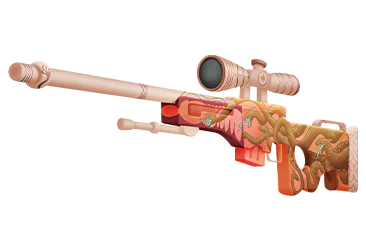


Case Overview
The case uses a concentrated headline structure in which the Desert Hydra is the premium reference point and non-featured items absorb almost all remaining probability. This makes pool composition especially important. Analysts should examine whether secondary items form a gradual value ladder or cluster near the lower end, because that difference affects median return and downside frequency. The Desert Hydra is a high-profile AWP skin, but practical value varies with exterior condition, liquidity and demand. Similar considerations apply to supporting skins with limited trading volume.
Value and Risk Factors
A one-percent featured outcome can contribute substantially to EV while remaining rare in a short sequence of openings. Expected return should therefore be separated from median outcome and realized results over small samples. Variance rises when there is a large value gap between the Desert Hydra and the rest of the pool. Other factors include concentration of probability in low-value items, resale depth of premium skins and stability of demand for AWP cosmetics. If the featured item's market valuation changes sharply, case EV can move even when its probability table does not. A balanced secondary pool lowers dispersion; a top-weighted pool increases dependence on the tail.