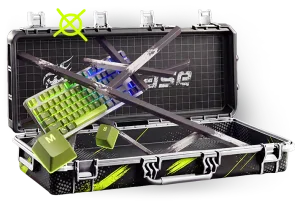

Case Overview
The s1n case can be assessed through the structure of its item pool and the proportion of outcomes assigned to each value tier. A diversified pool may contain several liquid skins with established market activity alongside less frequent items that contribute disproportionately to the upper end of the distribution. Important factors include weapon popularity, skin recognition, trading volume, and the concentration of value among a limited number of items. A pool dominated by lower-tier entries generally produces a narrower typical-value range, while scarce high-value items can increase dispersion. Market positioning therefore depends on both item selection and the probability weight attached to each segment.
Value and Risk Factors
Expected value is determined by multiplying each item's market value by its probability and combining the results across the full pool. This statistical average does not describe the most typical single outcome. If rare items account for a large share of theoretical value, the mean may sit materially above the median. Variance is influenced by the spread between common and scarce items, while realized value also depends on condition, pattern, liquidity, supply changes, and demand stability. Consistent trading activity can improve valuation reliability, but probability distribution remains the primary factor shaping expected return.